
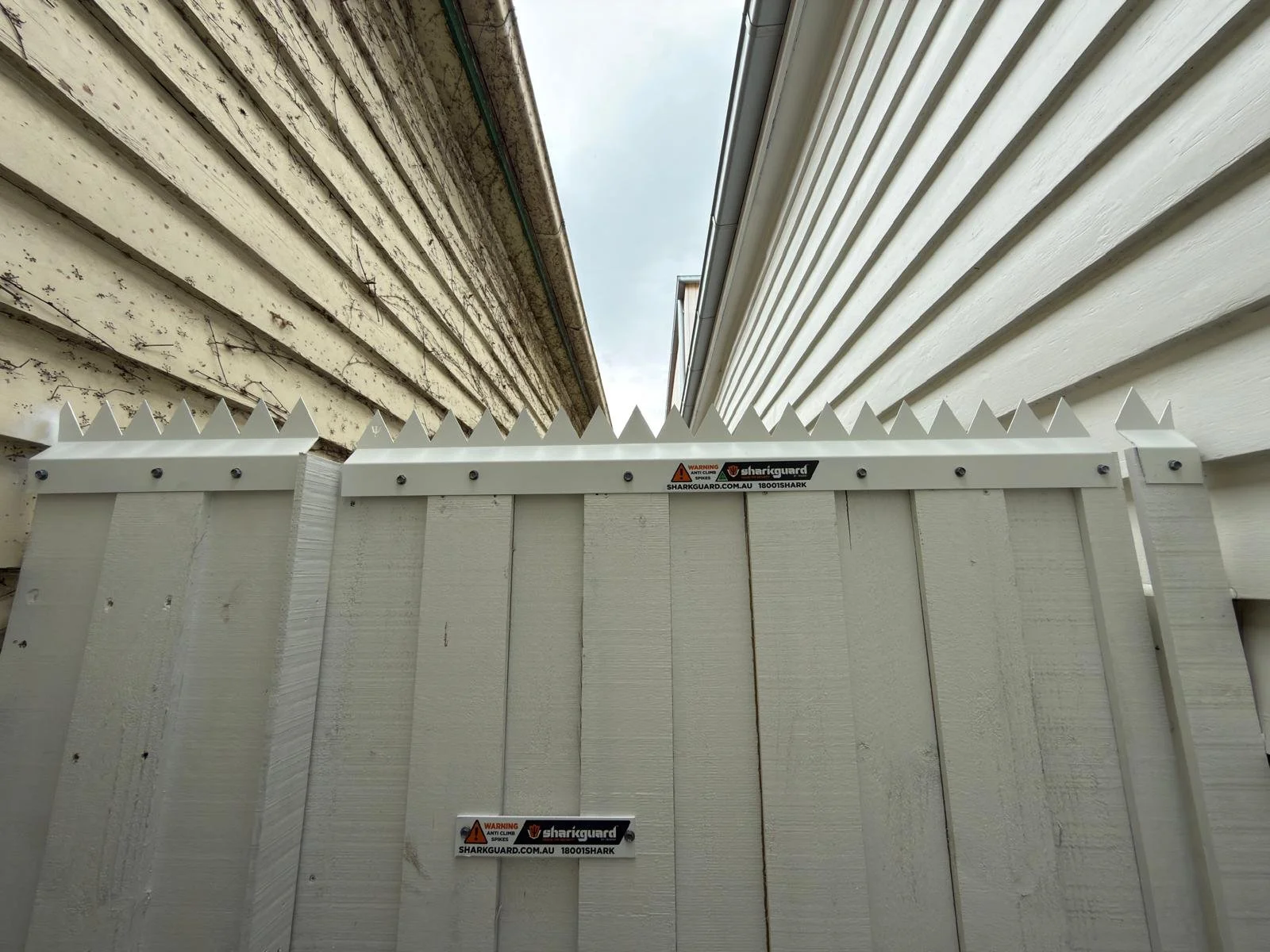
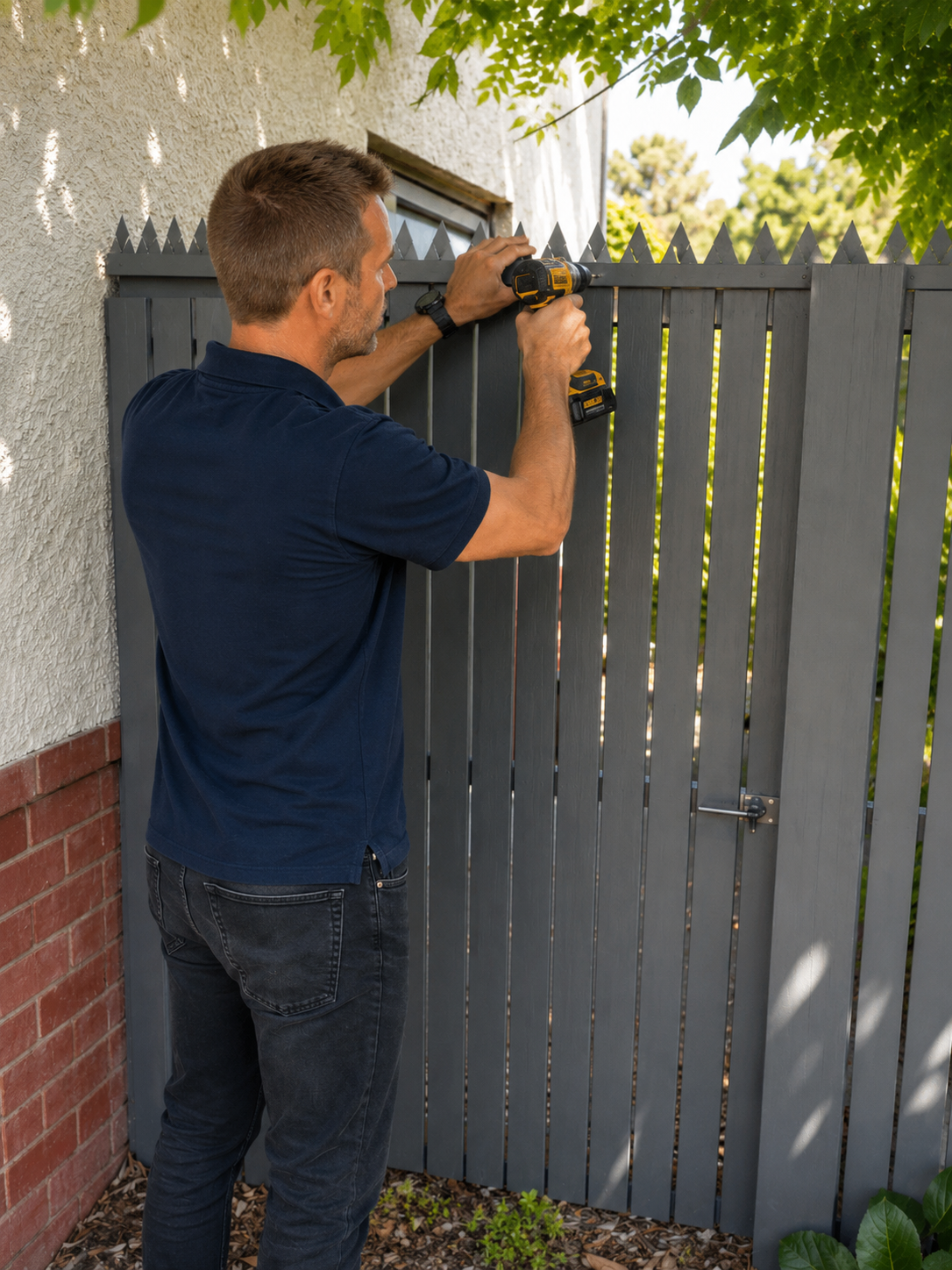
The fence they climb is the one nobody's watching
The back of a property is the most common way into a Victorian home. When the Crime Statistics Agency looked at point of entry (April 2014 to March 2015), 24.4% of residential burglaries came through the back, compared with 19.9% through the front. Anti-climb spikes turn the back fence from an easy step over into slow, awkward work, and that's usually all it takes for someone to move on. We fit them across Melbourne from $149, with signs included and quotes from a photo.
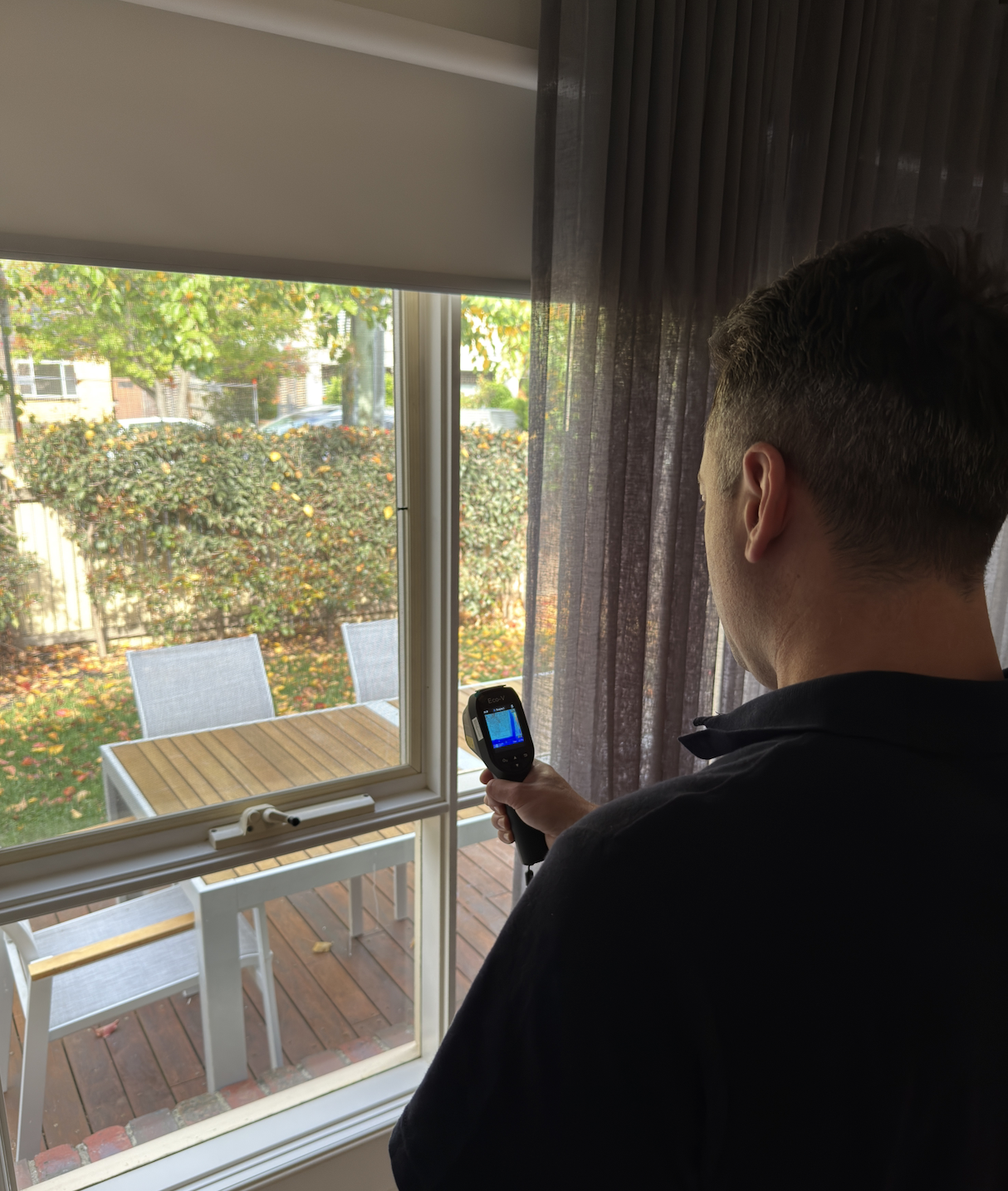
Your invoices are not your compliance records
From 13 October 2026 Victorian rental providers must keep records showing the property met the minimum standards. What a sufficient record looks like.
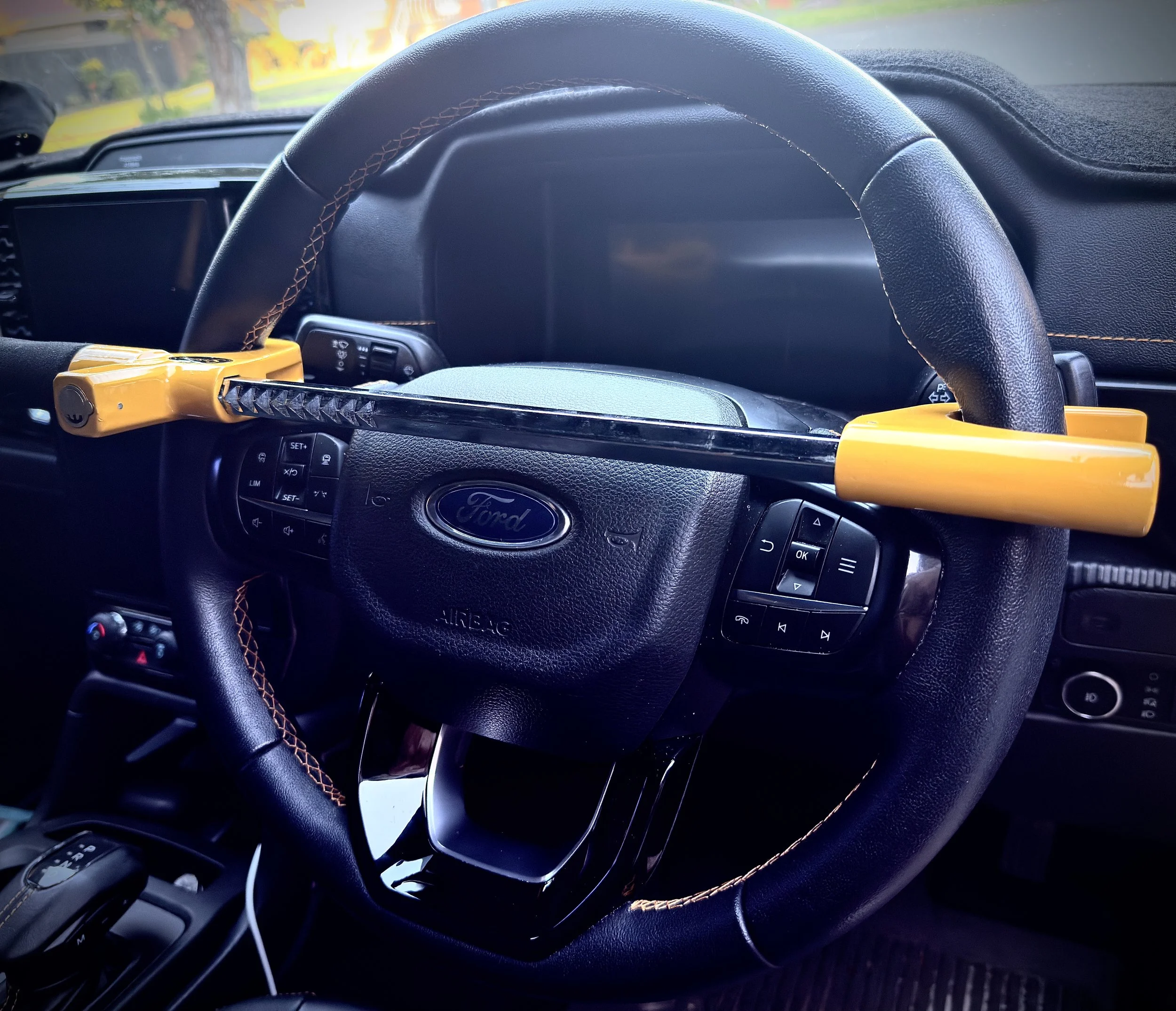
They don't steal the car in the driveway. They come inside for the keys
In Melbourne, the car is usually not stolen from the driveway. The offender comes into the house, takes the keys off a hook or a bench, and drives it away. Victoria Police recorded 31,851 motor vehicle thefts in Victoria in the year ending 31 March 2026, the highest since 2001-02, and say up to 40 per cent of stolen cars are taken using key cloning technology — which leaves a large share taken with the owner's own keys. In a Crime Stoppers Victoria and Victoria Police campaign using March 2025 data, eight in ten aggravated burglaries across Victoria were either through an unlocked door or window, or were abandoned once the offender found the home locked. The fix is mostly free: lock the side door, lock the internal garage door, and move the keys out of sight of any window or door.
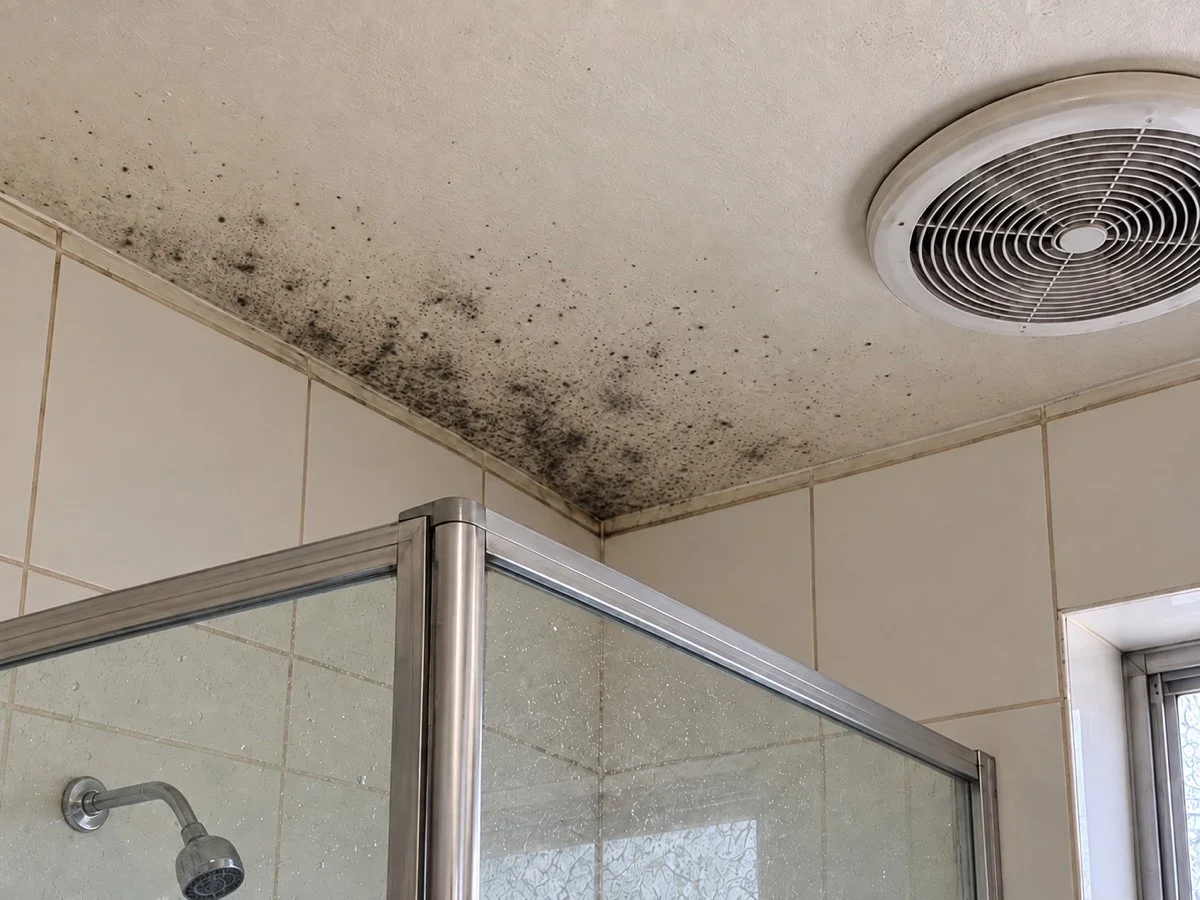
The mould argument has a one-sentence answer
In Victoria, mould or damp caused by or related to the building structure is the rental provider's responsibility. Consumer Affairs Victoria lists it as an urgent repair, which must be fixed immediately, and freedom from it is one of the 15 minimum standards a rental property must meet. Mould from condensation and everyday living is not on that list. But adequate ventilation is a separate minimum standard, and a property that does not meet a minimum standard is itself on the urgent repairs list, so a bathroom without adequate ventilation is the property failing, and it is urgent. From 13 October 2026, rental providers must be able to show records that the property met the standards.
One in seven didn't have to break anything
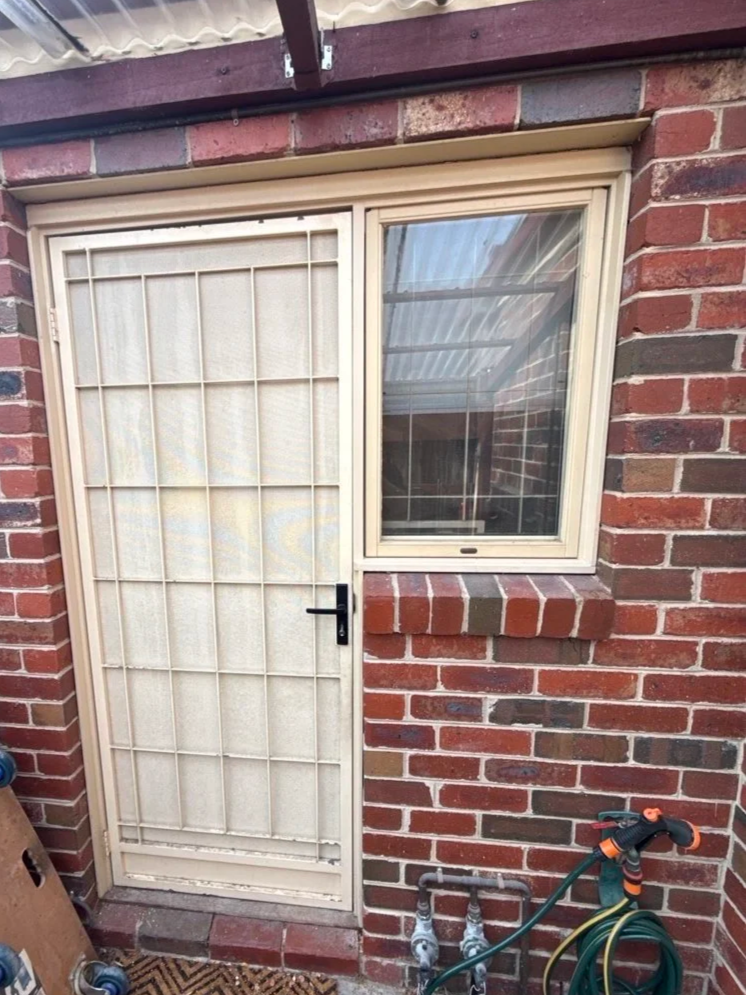
The Crime Statistics Agency's most recent published breakdown of how burglars enter Victorian homes covers the year ending December 2018. In it, a forced or broken door accounted for 23.6% of entry methods, and an unlocked or open door for 13.7% — roughly one break-in in seven where nothing had to be forced at all. Doors were the point of entry in 40.9% of residential burglaries, more than any other route. For the year ending 31 March 2026, released 18 June 2026, aggravated home burglaries across Victoria fell 19.9%, though they sit about 23% above where they were three years ago. The cheapest thing you can do about any of this costs nothing: lock the door behind you.
The rental taskforce is now permanent. What changes if you own one property, not fifty.
Victoria's Renting Taskforce became a permanent part of Consumer Affairs Victoria on 6 September 2026, with additional inspectors and lawyers. In its first two years it assessed more than 2,600 cases, inspected more than 600 properties and issued 130 infringements totalling over $900,000. From 13 October 2026, rental providers must also be able to show records that a property met the 14 minimum standards. If you own one or two properties, the practical step is to confirm what is on file for each one now.
A Dandenong home invasion happened at 11am. Here's what that changes.
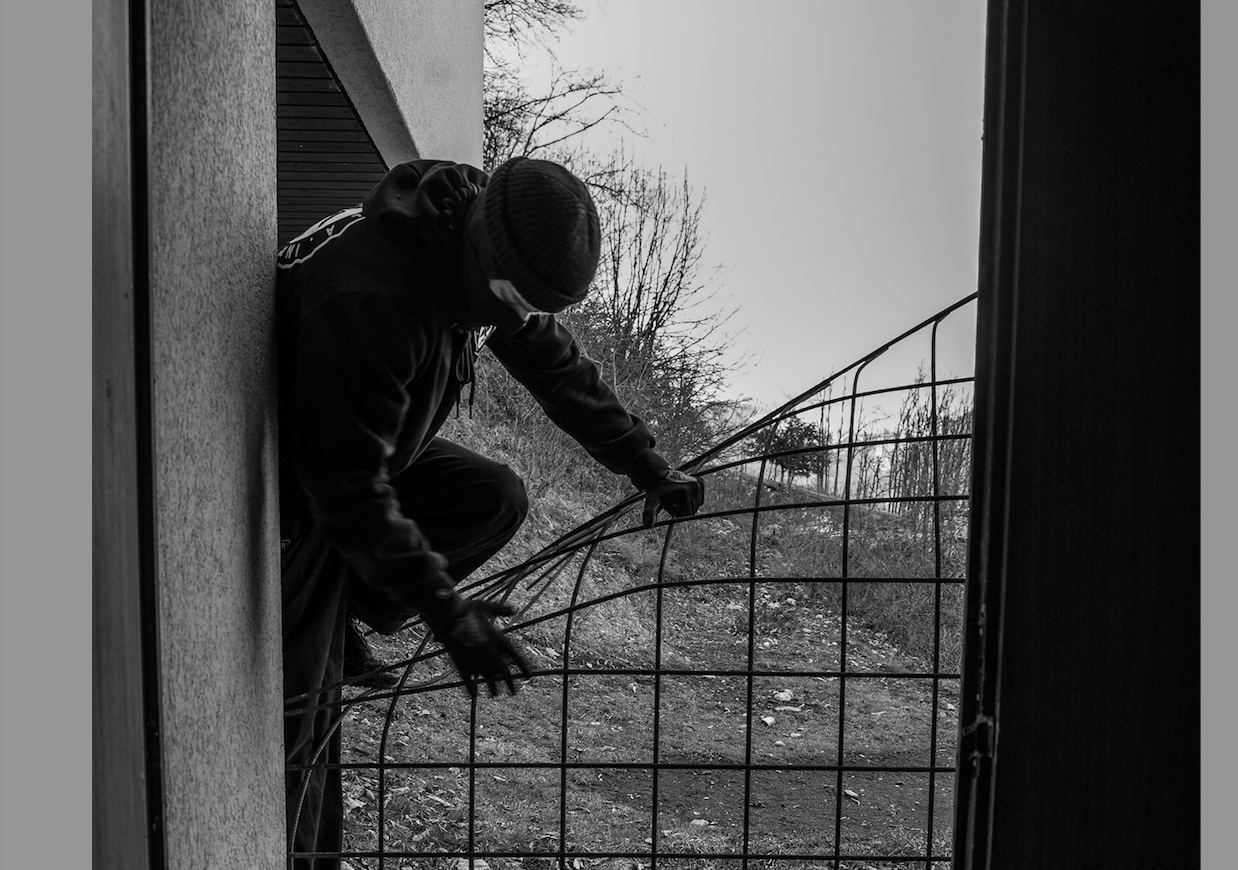
Melbourne home invasions are happening in daylight and while people are home. What hardware actually helps, what doesn't, and what each fix costs.
Possums in Your Roof This Spring: What Victorian Law Actually Allows
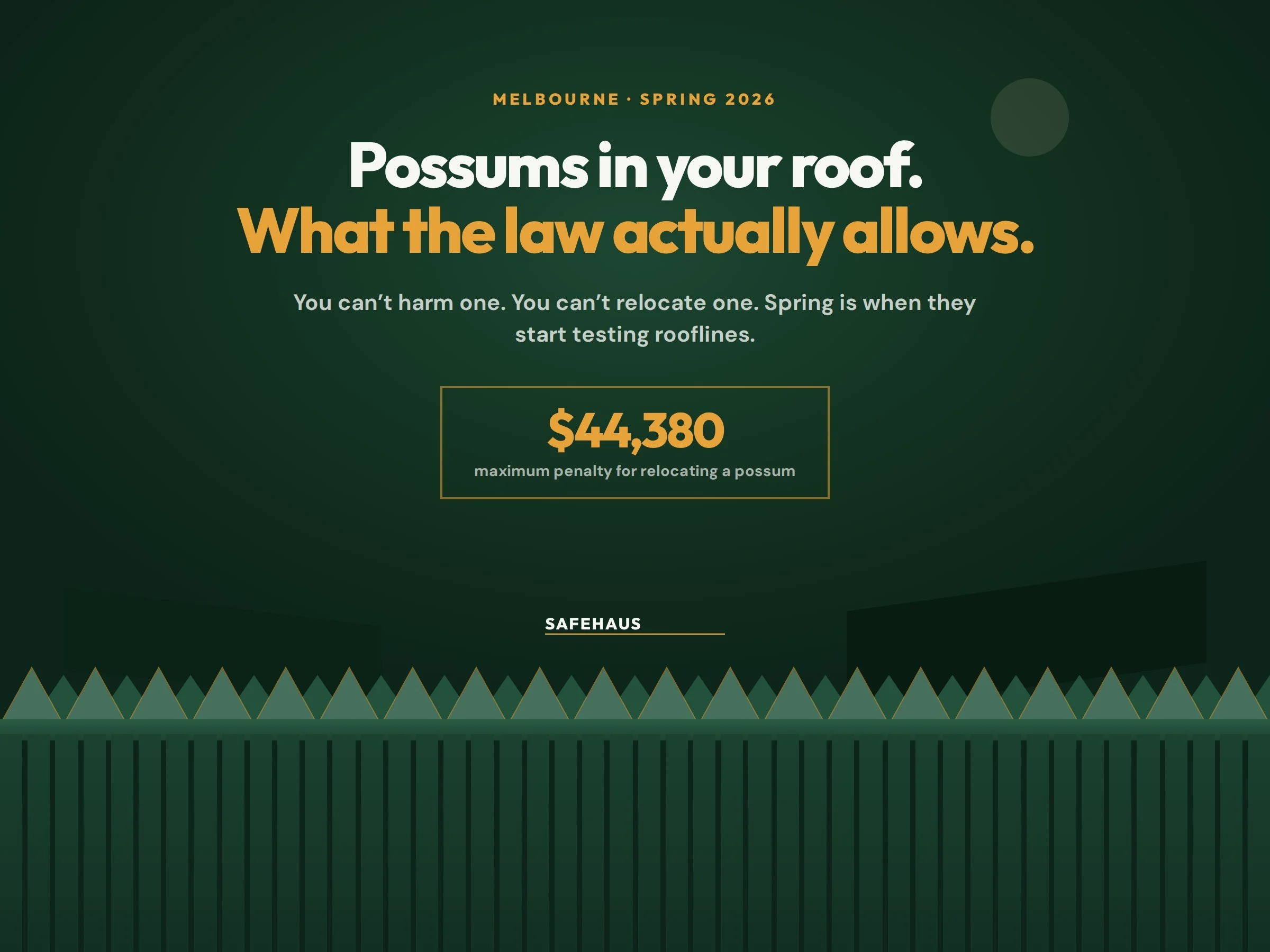
Spring is peak possum season in Melbourne. What you can legally do about a possum in your roof — and why trapping and relocating one is against the law.
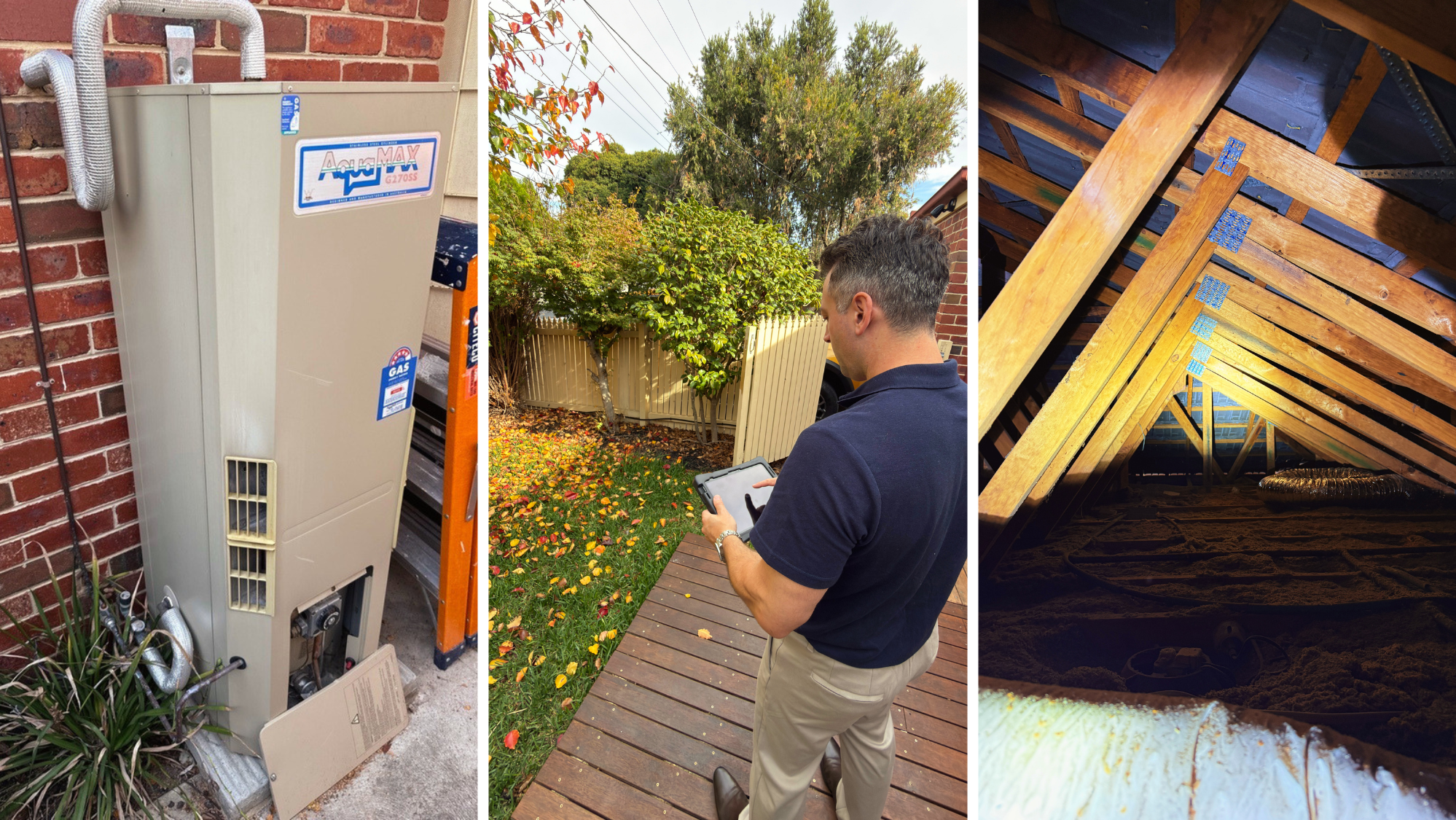
Compliant isn't enough. From 13 October, Victorian landlords have to prove it.
From 13 October 2026, Victorian rental providers will need to keep evidence demonstrating their properties meet minimum rental standards. Here's what landlords need to know and what records to keep.
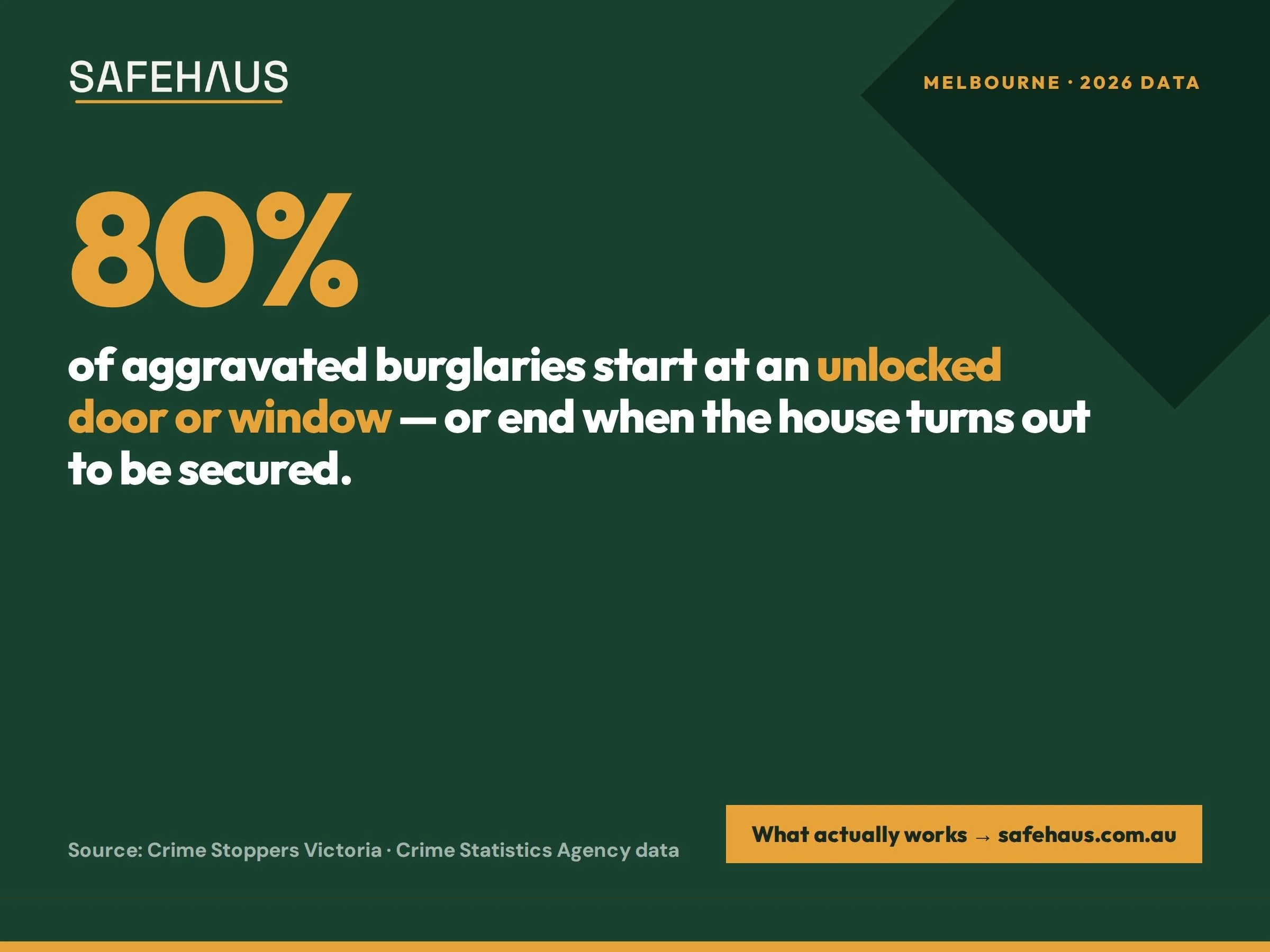
Melbourne break-ins in 2026: what the latest numbers say — and what actually works
The latest Victorian crime data says 80% of aggravated burglaries start at an unlocked door or window. Here's what the 2026 numbers show actually protects Melbourne homes.
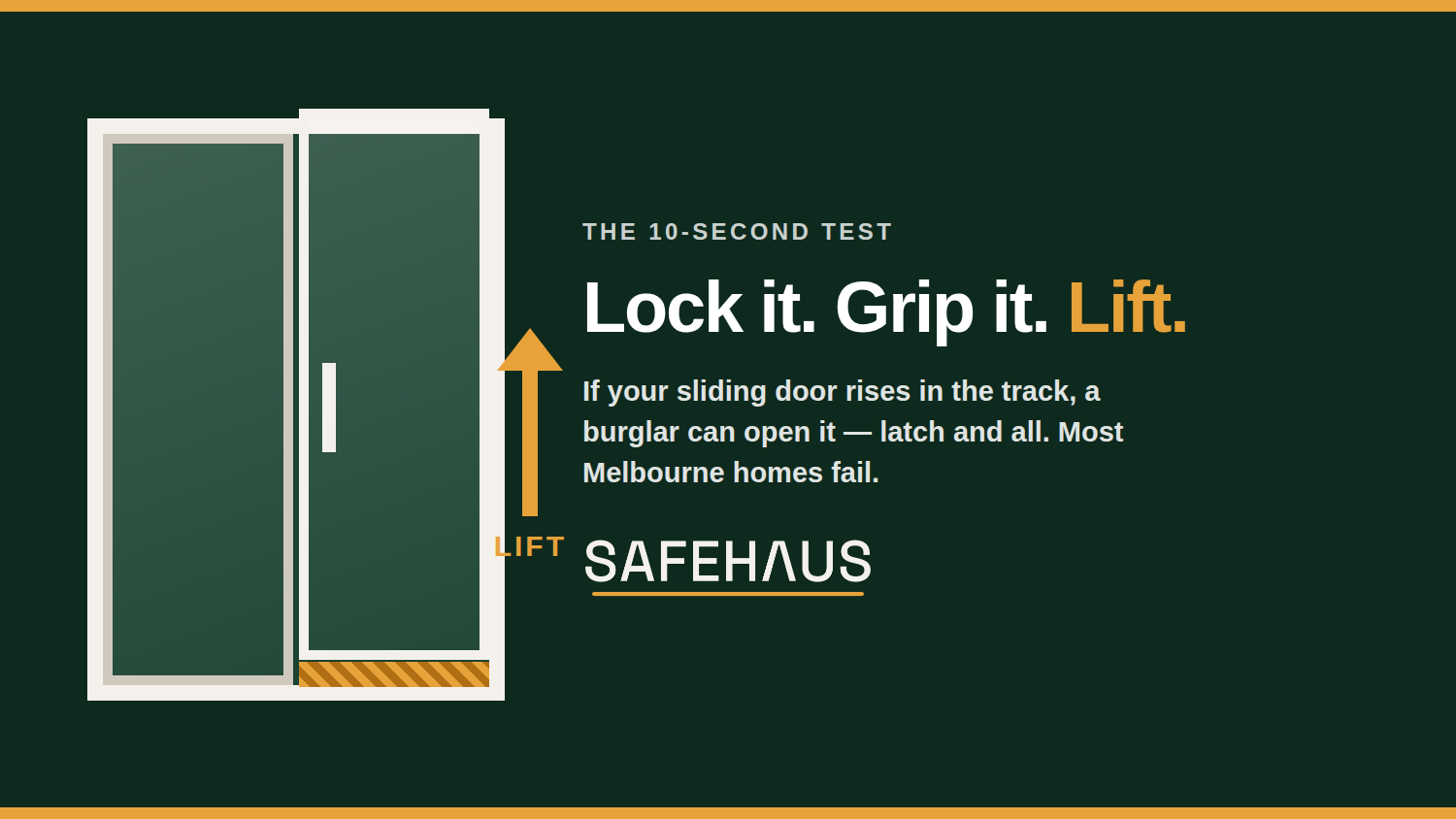
The 10-second test your sliding door will probably fail
Sliding doors are the burglar's favourite entry point in Melbourne homes. Try the lift test tonight — then see the four cheap fixes that make a sliding door genuinely secure.
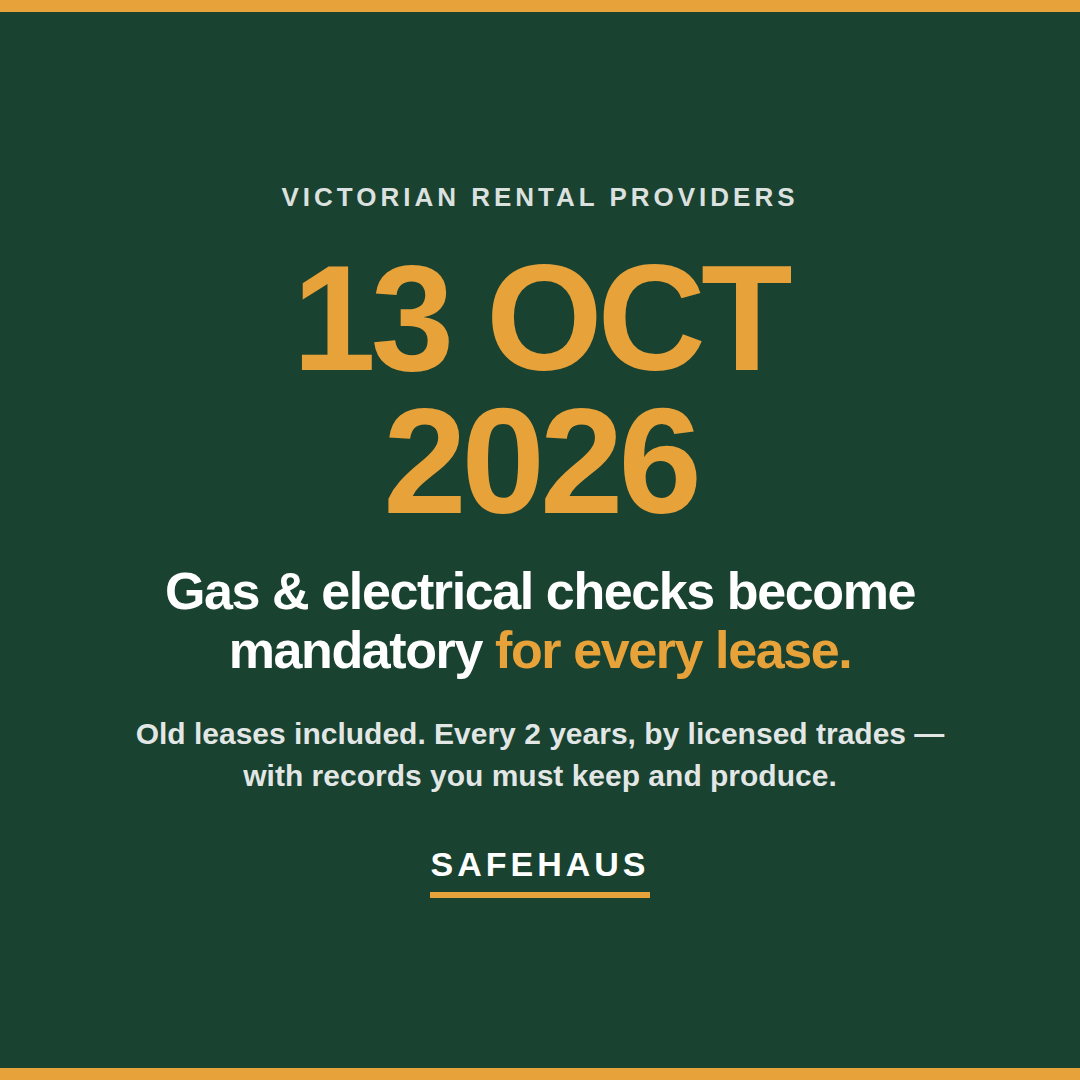
The 13 October deadline every Victorian landlord needs in the calendar
From 13 October 2026, 2-yearly gas and electrical safety checks apply to every Victorian rental — old leases included. What the checks cover, what records you must keep, and how to get ahead of the rush.
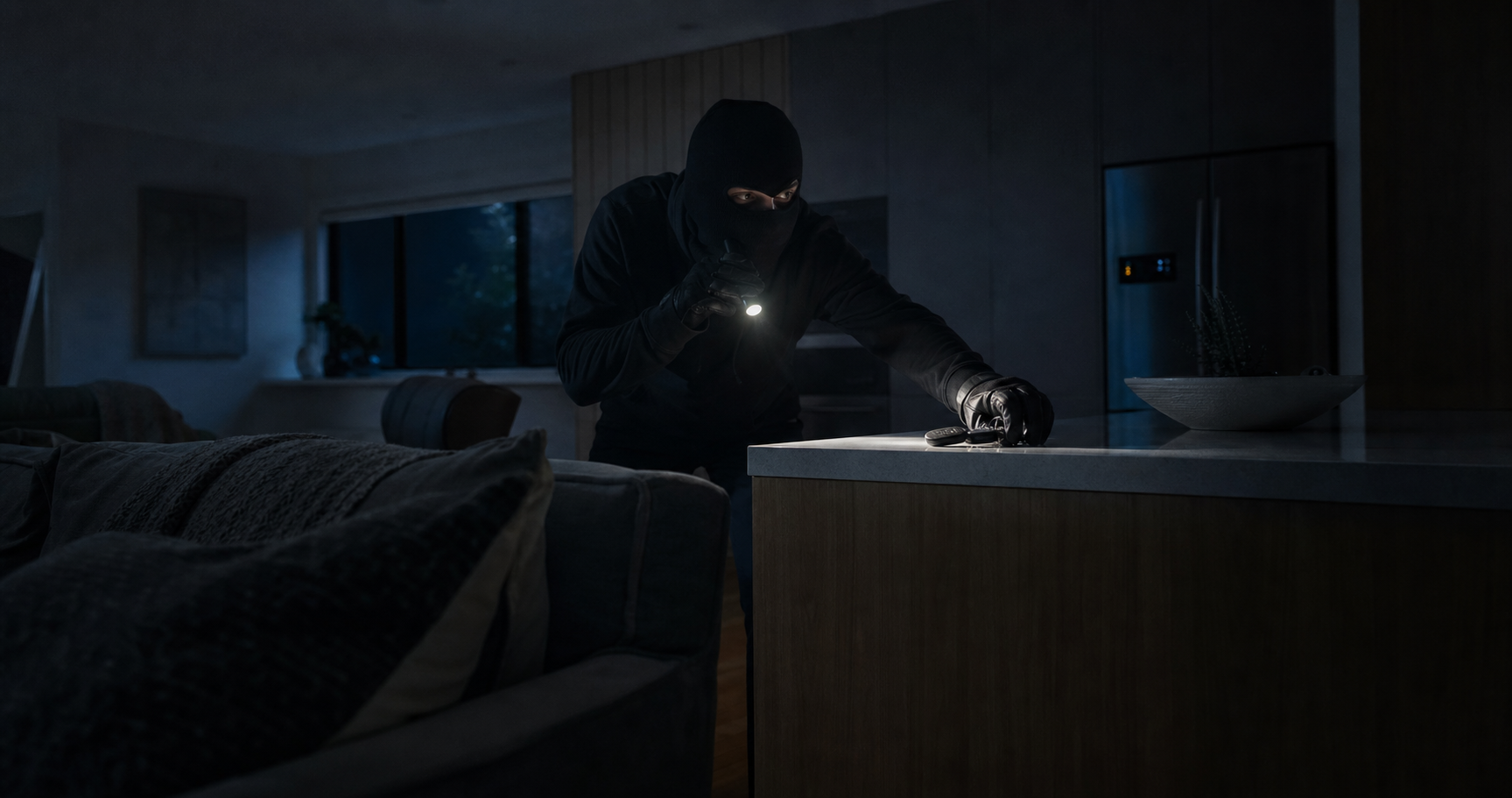
Car Thieves Have Moved Into Melbourne's East — What the 2026 Data Shows | Safehaus
Glen Waverley and Clayton are now on Victoria's car-theft hotspot list. Here's how thieves are getting in — and the simple fixes that stop most of them.
Don’t Buy Cameras First: The Home Security Fixes Melbourne Homes Usually Need Before Technology
Most people think home security starts with cameras. It usually doesn’t. Cameras can help, but they do not fix weak sliding doors, unlocked side gates, garage access, exposed windows or dark side paths. Here are five practical home security weak points Melbourne homeowners should check before spending money on technology.

How Burglars Choose Which House to Break Into — and How to Make Yours the One They Skip
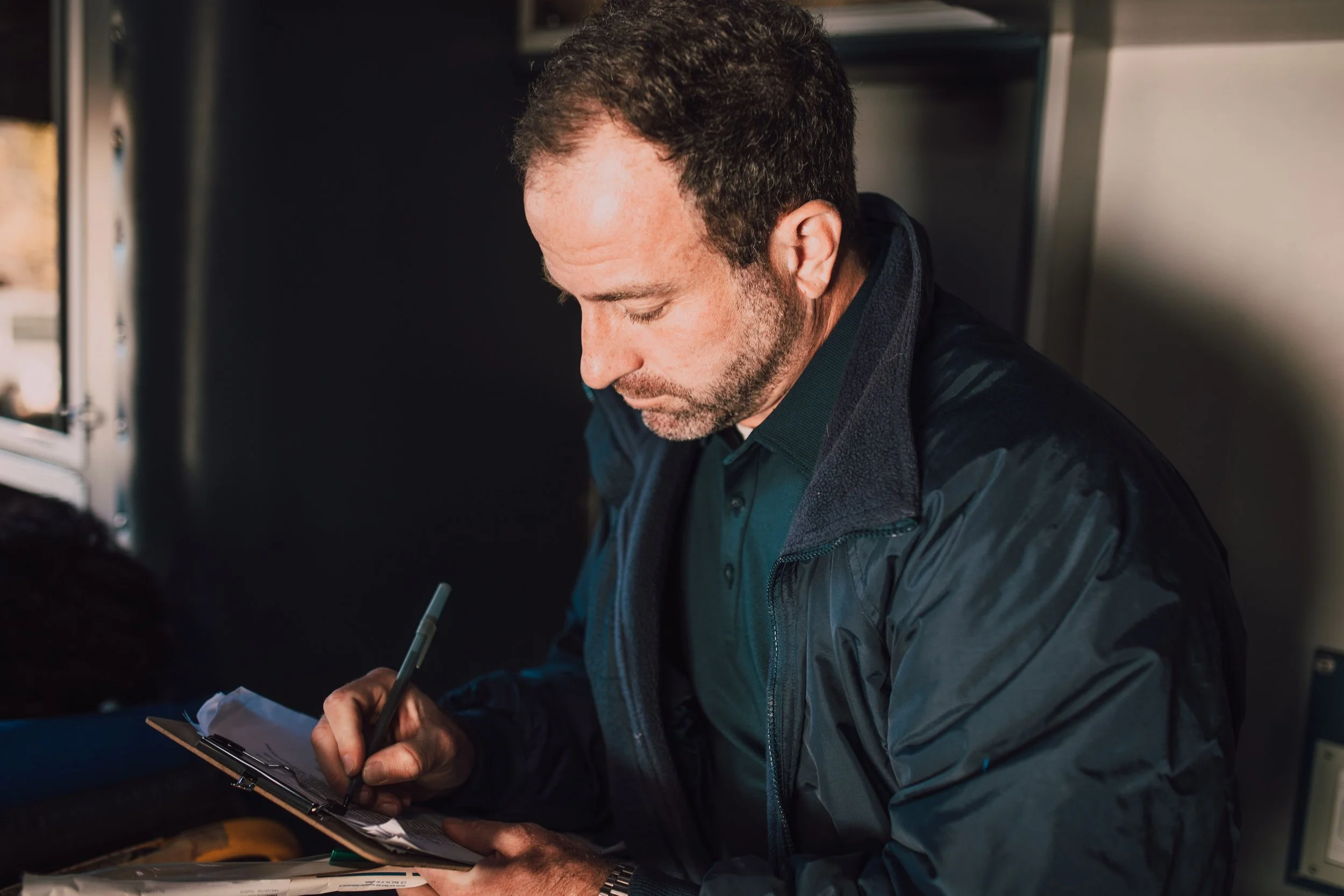
A former auditor explains how burglars actually pick targets in Melbourne's east — the 5 signals they read in seconds, and the cheap physical fixes that work.

Property Investment in Australia Is Changing: Why Landlords Need to Think Beyond Rent and Yield
Australian property investors face rising costs, rental reforms, tax changes and stricter compliance obligations. Here’s what landlords need to consider before buying, holding or selling an investment property.
Federal Budget 2026: What the Negative Gearing and CGT Changes Mean for Victorian Landlords
The 12 May 2026 Budget changed negative gearing and CGT for Victorian landlords. Plain-English guide to grandfathering, 2027 rules, and what to do now.
Victorian Rental Minimum Standards: A Practical Compliance Checklist for Property Managers
Since 25 November 2025, Victorian rental properties must meet every applicable minimum standard before they can even be advertised. Here's a property manager's plain-English guide to the 15 categories, the five compliance failures we see most often, and a pre-listing workflow that holds up at scale.
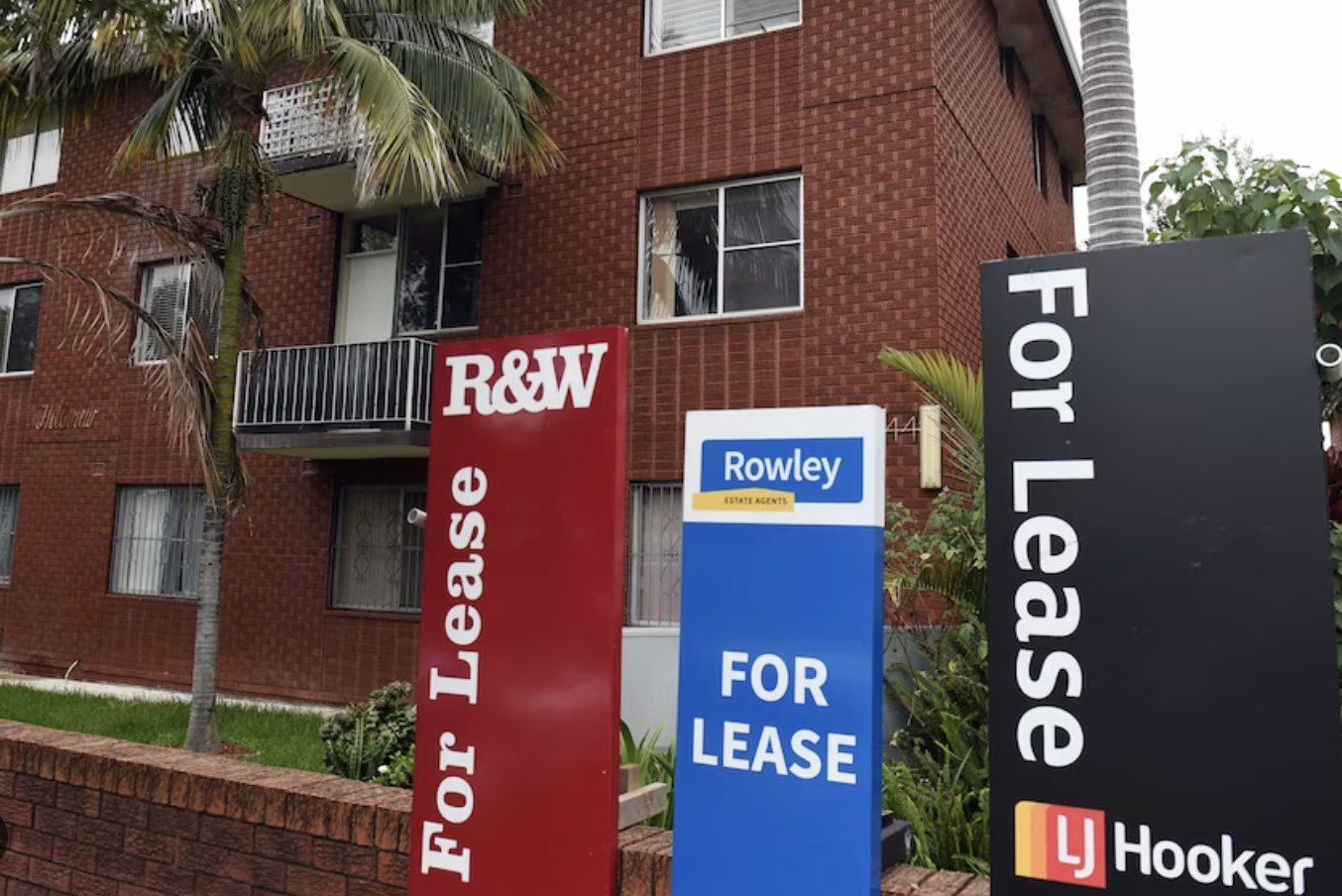
Victorian Tenants Now Have More Power to Object to Rent Increases — Here’s What Landlords Should Do
Victorian renters now have stronger grounds to challenge excessive rent increases. Here’s what landlords need to understand before raising the rent.

What Labor's Negative Gearing and CGT Changes Mean for Victorian Landlords (And Why It Makes Compliance Decisions More Urgent, Not Less)
Negative gearing and CGT reforms will be in the May 2026 budget. What this means for Victorian landlords with investment properties — and why compliance decisions become more urgent, not less. Independent assessment from Safehaus Melbourne.
