
Most people picture a break-in happening at 2am. The Dandenong home invasion on 17 August happened just after eleven in the morning.
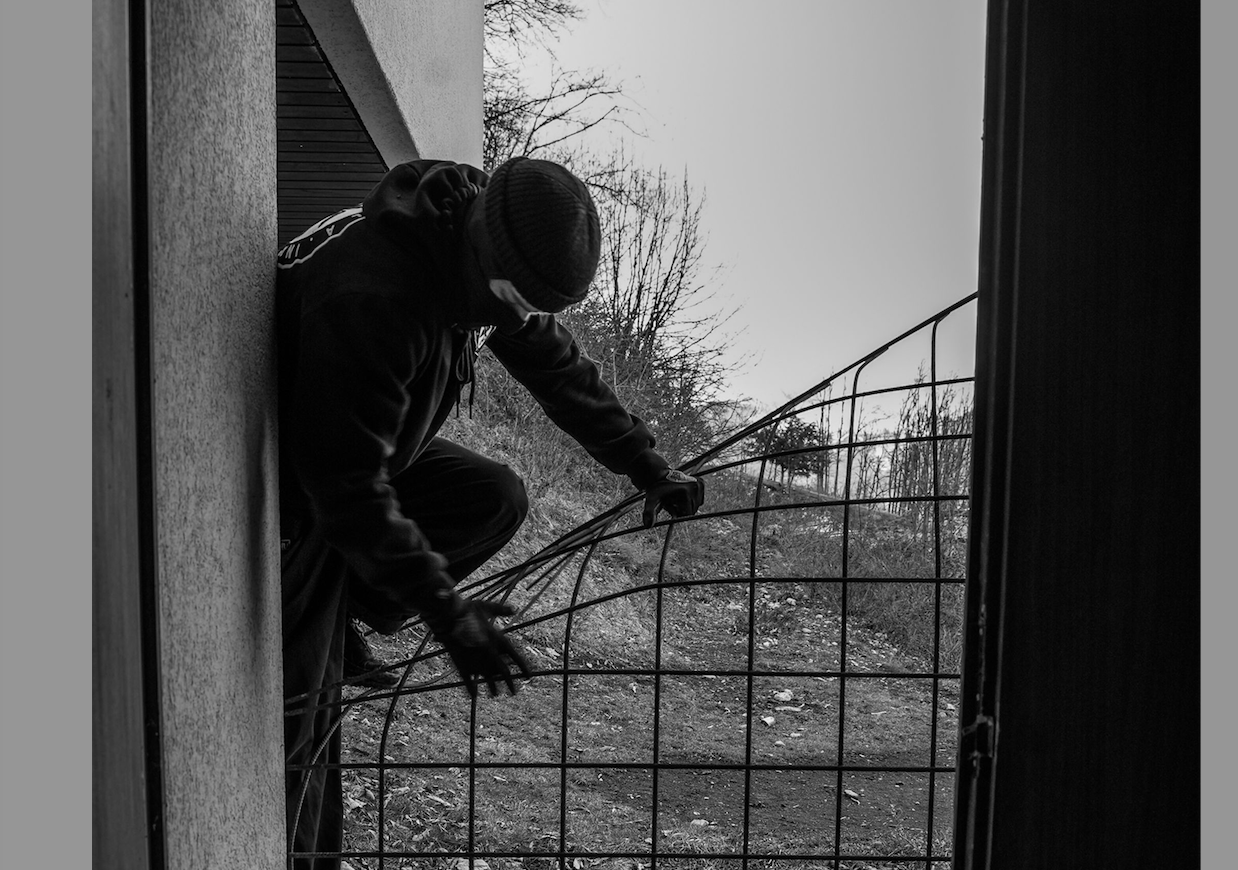
Five people arrived in a car. Three went in armed with machetes, threatened the single occupant, took items from a room and left. Nobody was physically hurt. Five men were arrested over the following fortnight and charged with aggravated home invasion and weapons offences.
That's a fifteen-minute drive from where I live, and it's the sort of thing that makes people look at their own front door differently.
So this is worth writing carefully, because there's a lot of nonsense talked about home security after incidents like this — most of it by people selling something.
Home invasion and burglary aren't the same thing
This matters, because the hardware that helps is different.
A burglary is a theft where the offender wants an empty house. They check whether anyone's home, they avoid contact, and they leave the moment something looks difficult. Around 27,900 Victorian homes were burgled in the twelve months to December 2025 — roughly 76 a day — and about one in nine involved no forced entry at all. Someone walked in through an unlocked door.
An aggravated home invasion is entry while people are there, usually with weapons, usually with a specific purpose. Victoria recorded 685 stabbings in the twelve months to July, up 8.7% on the year before, and almost half of those happened in residential locations.
They're different crimes with different offenders, and pretending one product solves both is how people end up spending $5,000 on the wrong thing.
The honest part, which nobody selling security will tell you
If four people with machetes have decided to enter your specific house, hardware will not stop them.
A locked security door buys time. It doesn't beat a sledgehammer. The Keilor Downs invasion in April involved offenders forcing entry at 2am with firearms and a sledgehammer, holding three occupants for two hours. No screen door on the market prevents that.
Most targeted invasions of that kind are connected to something — a dispute, a business, a previous occupant, a debt. That's a police matter and a personal safety matter, not a hardware problem, and anyone who tells you a $1,200 door solves it is taking your money.
So why write about it at all?
Because the far more common version — the opportunistic one — absolutely is a hardware problem. And that's the one most of us are actually exposed to.
What daylight changes
The Dandenong incident happened at 11am. That's worth sitting with, because most household security habits are built around night.
People lock up at bedtime. During the day, the back sliding door is open for air, the side gate is unlatched because the bins went out, the garage roller is up while someone's in the yard, and the front security door is unlocked because people are coming and going.
Every one of those is a normal daytime habit, and every one of them is an unlocked entry point.
The single most useful change costs nothing: lock the external doors during the day, not just at night. Crime Stoppers Victoria data puts up to 80% of aggravated burglaries as involving an unlocked door or window, or the offender giving up once the house turned out to be secured.
That second half is the important bit. About 14% of home burglaries were failed attempts because the place was locked. The hardware doesn't have to beat someone. It has to make them choose the next house.
What actually works, in order
1. Locks that work, used during the day. Free to start using, and the highest-value thing on this list. If a door doesn't latch properly, it isn't a lock — it's a habit. We fit surface-mounted locks and bolts from $195, or three items for $395.
2. The side gate. Almost every rear-entry break-in starts with a side gate nobody locks. A keyed latch or drop bolt puts a barrier between the street and the part of your house nobody can see.
3. A security screen door you actually lock. This is the one that buys time and, more importantly, means you can have the front door open for air without the house being open. From $895 fitted, tested Crime Tuff from $1,195.
4. Sliding doors. The factory latch on most Melbourne sliders is a wind catch, not a lock. Patio bolts stop the lift-and-slide that defeats them.
5. Lighting and sightlines. Sensor floodlights over the dark side path, and cutting back what someone can hide behind. Floodlights from $350 through our licensed electrician.
And what I'd skip first: cameras. They tell you what happened. They rarely stop it happening. If your budget is $1,000, spend it on locks, the gate and a screen door before you spend it on footage — and I've written about why at more length.
What we don't do
We don't fit alarms or monitoring, we don't do electrical work, and we don't sell you a package. If your place is already solid, we'll say so and shake your hand. That's not modesty — it's the whole business model. We don't have one product to push, so there's nothing to talk you into.
The short version
Home invasion and burglary are different crimes needing different responses
A targeted armed entry is a police matter, not a hardware one — anyone claiming otherwise is selling
The common, opportunistic version is a hardware problem, and a solvable one
Daytime is no longer the safe part of the day: the Dandenong incident was at 11am
Locking up during the day costs nothing and is the highest-value change you can make
About 14% of burglaries failed simply because the house was locked
Not sure where your place stands?
Book a free 15-minute doorstep check. We walk the doors, windows, gate and garage with you, tell you honestly what's worth doing and what isn't, and leave you an itemised price in writing before we go. No call-out fee, no obligation.
Book a free doorstep check → · Call or text Keith on 0451 177 610
Published prices from $195 fitted. See the full price list →
Safehaus · Melbourne metro · National Police Check · Public Liability insured
Sources to link
Star Community / Dandenong Star Journal — five arrested over the 17 August Dandenong aggravated home invasion
ABC News — 685 stabbings in Victoria in 12 months to July, up 8.7%; almost half in residential locations
Crime Statistics Agency Victoria — residential burglary figures
Crime Stoppers Victoria — unlocked entry and failed attempt figures
FAQ
Are home invasions increasing in Melbourne? Victoria recorded 685 stabbings in the twelve months to July 2026, an increase of 8.7% on the previous year, with almost half occurring in residential locations. Aggravated home invasions — entry while occupants are present — are a distinct category from burglary and remain far less common, but they are being reported more often, including during daylight hours.
What's the difference between a burglary and a home invasion? A burglary is theft from a property where the offender generally wants the house empty and avoids contact. An aggravated home invasion is forced entry while people are home, usually involving weapons and often a specific target. They involve different offenders and different responses.
Will a security door stop a home invasion? It buys time and it stops opportunistic entry, but a determined, targeted attack with heavy tools will get through any residential door. Security hardware is highly effective against the far more common opportunistic entry, and should not be sold as protection against a targeted armed attack.
What is the cheapest way to reduce break-in risk in Melbourne? Locking external doors and windows during the day, not just overnight. Crime Stoppers Victoria data indicates up to 80% of aggravated burglaries involve an unlocked entry point or an offender giving up once a home proved secure, and around 14% of burglaries failed because the property was locked.
Do cameras prevent break-ins? Cameras record what happened rather than prevent it. Physical entry hardware — working locks, secured gates, security screen doors — has a greater effect on whether an opportunistic offender enters at all.Most people picture a break-in happening at 2am. The Dandenong home invasion on 17 August happened just after eleven in the morning.
Five people arrived in a car. Three went in armed with machetes, threatened the single occupant, took items from a room and left. Nobody was physically hurt. Five men were arrested over the following fortnight and charged with aggravated home invasion and weapons offences.
That's a fifteen-minute drive from where I live, and it's the sort of thing that makes people look at their own front door differently.
So this is worth writing carefully, because there's a lot of nonsense talked about home security after incidents like this — most of it by people selling something.
Home invasion and burglary aren't the same thing
This matters, because the hardware that helps is different.
A burglary is a theft where the offender wants an empty house. They check whether anyone's home, they avoid contact, and they leave the moment something looks difficult. Around 27,900 Victorian homes were burgled in the twelve months to December 2025 — roughly 76 a day — and about one in nine involved no forced entry at all. Someone walked in through an unlocked door.
An aggravated home invasion is entry while people are there, usually with weapons, usually with a specific purpose. Victoria recorded 685 stabbings in the twelve months to July, up 8.7% on the year before, and almost half of those happened in residential locations.
They're different crimes with different offenders, and pretending one product solves both is how people end up spending $5,000 on the wrong thing.
The honest part, which nobody selling security will tell you
If four people with machetes have decided to enter your specific house, hardware will not stop them.
A locked security door buys time. It doesn't beat a sledgehammer. The Keilor Downs invasion in April involved offenders forcing entry at 2am with firearms and a sledgehammer, holding three occupants for two hours. No screen door on the market prevents that.
Most targeted invasions of that kind are connected to something — a dispute, a business, a previous occupant, a debt. That's a police matter and a personal safety matter, not a hardware problem, and anyone who tells you a $1,200 door solves it is taking your money.
So why write about it at all?
Because the far more common version — the opportunistic one — absolutely is a hardware problem. And that's the one most of us are actually exposed to.
What daylight changes
The Dandenong incident happened at 11am. That's worth sitting with, because most household security habits are built around night.
People lock up at bedtime. During the day, the back sliding door is open for air, the side gate is unlatched because the bins went out, the garage roller is up while someone's in the yard, and the front security door is unlocked because people are coming and going.
Every one of those is a normal daytime habit, and every one of them is an unlocked entry point.
The single most useful change costs nothing: lock the external doors during the day, not just at night. Crime Stoppers Victoria data puts up to 80% of aggravated burglaries as involving an unlocked door or window, or the offender giving up once the house turned out to be secured.
That second half is the important bit. About 14% of home burglaries were failed attempts because the place was locked. The hardware doesn't have to beat someone. It has to make them choose the next house.
What actually works, in order
1. Locks that work, used during the day. Free to start using, and the highest-value thing on this list. If a door doesn't latch properly, it isn't a lock — it's a habit. We fit surface-mounted locks and bolts from $195, or three items for $395.
2. The side gate. Almost every rear-entry break-in starts with a side gate nobody locks. A keyed latch or drop bolt puts a barrier between the street and the part of your house nobody can see.
3. A security screen door you actually lock. This is the one that buys time and, more importantly, means you can have the front door open for air without the house being open. From $895 fitted, tested Crime Tuff from $1,195.
4. Sliding doors. The factory latch on most Melbourne sliders is a wind catch, not a lock. Patio bolts stop the lift-and-slide that defeats them.
5. Lighting and sightlines. Sensor floodlights over the dark side path, and cutting back what someone can hide behind. Floodlights from $350 through our licensed electrician.
And what I'd skip first: cameras. They tell you what happened. They rarely stop it happening. If your budget is $1,000, spend it on locks, the gate and a screen door before you spend it on footage — and I've written about why at more length.
What we don't do
We don't fit alarms or monitoring, we don't do electrical work, and we don't sell you a package. If your place is already solid, we'll say so and shake your hand. That's not modesty — it's the whole business model. We don't have one product to push, so there's nothing to talk you into.
The short version
Home invasion and burglary are different crimes needing different responses
A targeted armed entry is a police matter, not a hardware one — anyone claiming otherwise is selling
The common, opportunistic version is a hardware problem, and a solvable one
Daytime is no longer the safe part of the day: the Dandenong incident was at 11am
Locking up during the day costs nothing and is the highest-value change you can make
About 14% of burglaries failed simply because the house was locked
Not sure where your place stands?
Book a free 15-minute doorstep check. We walk the doors, windows, gate and garage with you, tell you honestly what's worth doing and what isn't, and leave you an itemised price in writing before we go. No call-out fee, no obligation.
Book a free doorstep check → · Call or text Keith on 0451 177 610
Published prices from $195 fitted. See the full price list →
Safehaus · Melbourne metro · National Police Check · Public Liability insured
Sources to link
Star Community / Dandenong Star Journal — five arrested over the 17 August Dandenong aggravated home invasion
ABC News — 685 stabbings in Victoria in 12 months to July, up 8.7%; almost half in residential locations
Crime Statistics Agency Victoria — residential burglary figures
Crime Stoppers Victoria — unlocked entry and failed attempt figures
FAQ block for schema markup
Are home invasions increasing in Melbourne? Victoria recorded 685 stabbings in the twelve months to July 2026, an increase of 8.7% on the previous year, with almost half occurring in residential locations. Aggravated home invasions — entry while occupants are present — are a distinct category from burglary and remain far less common, but they are being reported more often, including during daylight hours.
What's the difference between a burglary and a home invasion? A burglary is theft from a property where the offender generally wants the house empty and avoids contact. An aggravated home invasion is forced entry while people are home, usually involving weapons and often a specific target. They involve different offenders and different responses.
Will a security door stop a home invasion? It buys time and it stops opportunistic entry, but a determined, targeted attack with heavy tools will get through any residential door. Security hardware is highly effective against the far more common opportunistic entry, and should not be sold as protection against a targeted armed attack.
What is the cheapest way to reduce break-in risk in Melbourne? Locking external doors and windows during the day, not just overnight. Crime Stoppers Victoria data indicates up to 80% of aggravated burglaries involve an unlocked entry point or an offender giving up once a home proved secure, and around 14% of burglaries failed because the property was locked.
Do cameras prevent break-ins? Cameras record what happened rather than prevent it. Physical entry hardware — working locks, secured gates, security screen doors — has a greater effect on whether an opportunistic offender enters at all.
