
Compliant isn't enough. From 13 October, Victorian landlords have to prove it.
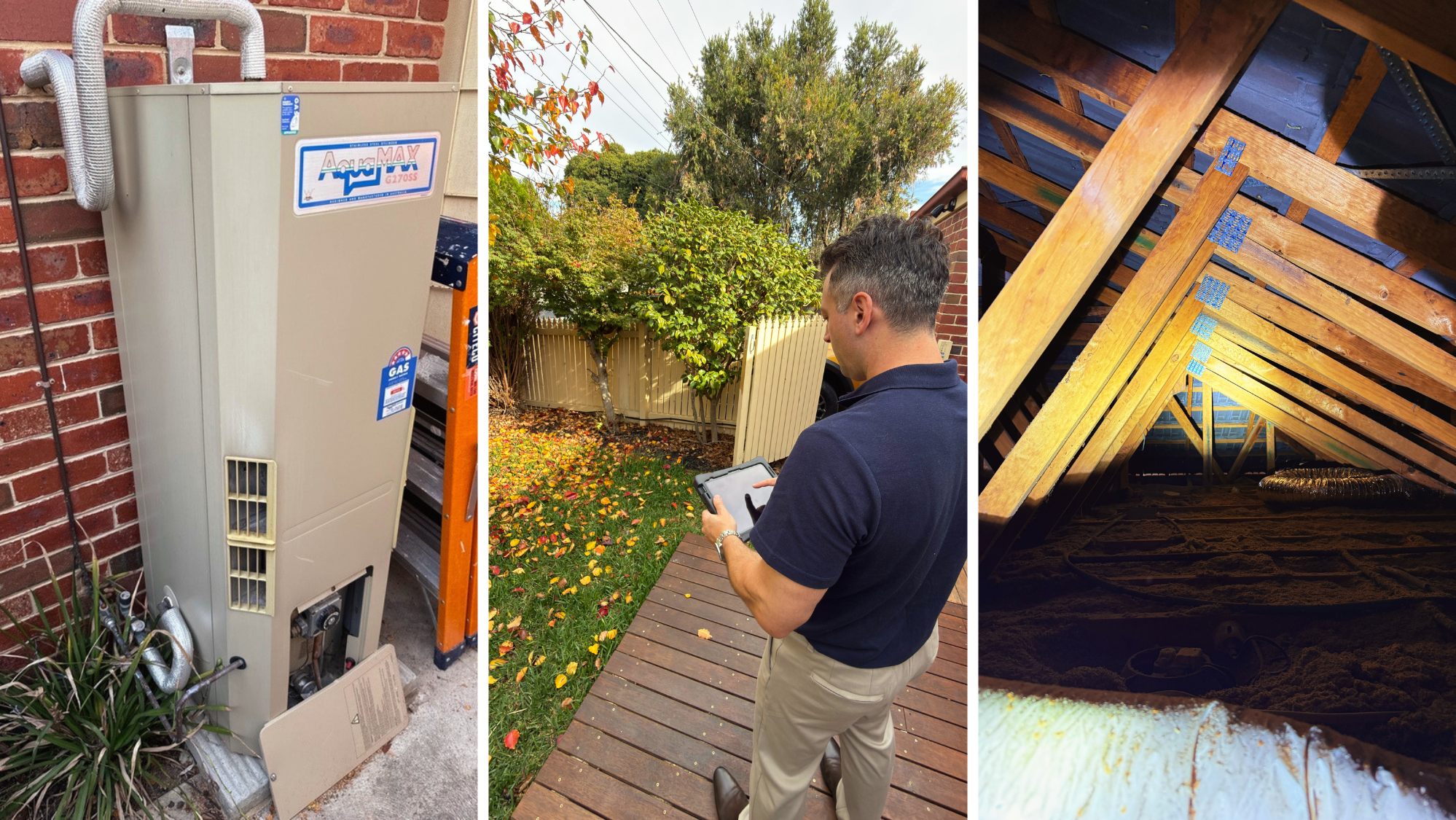
If you own a rental in Victoria, there's a reasonable chance you've had an email from your property manager in the last month or two. They tend to read the same way: a rundown of what's changing, a note about the standards phasing in from 2027, and — somewhere near the bottom — a line saying that compliance is moving into territory the agency can no longer check and sign off on themselves.
That line is the important one. And it's pointing at a change that lands on 13 October 2026.
What actually changes
Since November 2025, a Victorian rental property has had to meet the minimum standards before it's advertised or offered for rent. That part is already in force, and most owners know it.
From 13 October 2026, a second obligation sits on top of it. Rental providers and their agents will be required to keep records demonstrating the property met the minimum standards at the time it was advertised or offered for rent.
Two other things change on the same date. Gas and electrical safety checks move to a mandatory two-year cycle across all rental properties, regardless of when the tenancy started. And where a property has gas appliances, a gas safety check will be required before any draughtproofing work can proceed — which matters more than it sounds, given draughtproofing becomes a minimum standard from 1 July 2027.
The part that catches people out
Here's the bit worth sitting with: a property can be fully compliant and still fail this.
The obligation isn't to have a compliant property. It's to be able to produce evidence that it was compliant at the relevant moment. Those are different things, and plenty of properties will satisfy the first while failing the second.
Think about a typical portfolio. The window locks were fixed at some point — by a handyman, paid in cash, no invoice. The smoke alarms have been serviced, but the records sit with a provider the agency stopped using two years ago. The blind cord anchors went in when the standard commenced in December 2025, fitted by whoever was there that week. Nobody photographed anything.
Every one of those items is compliant. None of them is provable.
What counts as evidence
Broadly, the kinds of documents that establish a property met the standards:
Gas and electrical safety check certificates, with dates that fit the two-year cycle
Service and installation invoices — smoke alarms, window hardware, blind cord anchors, heating
Condition reports recording the state of the property at the start of a tenancy
Receipts for compliance-related work and materials
Dated photographs showing items in place
Photographs are the underrated one. An invoice tells you money changed hands. A dated photo of a fitted cord anchor, a working window latch or a smoke alarm in position tells you the thing actually exists at the property — and it costs nothing to take.
Why your agent is stepping back
Property managers have carried a lot of this quietly for years. They'd walk a property, eyeball the obvious items, and mark it off. Most did it well, and most did it for free, because the alternative was another line item on the owner's bill.
That arrangement is ending, and not because agencies have got precious about it. It's ending because the standards now cover things you can't assess by looking — insulation ratings, appliance efficiency, whether a gas safety check was carried out within a defined window — and because a signature marking a property compliant is starting to carry real exposure.
If your agent has told you they can no longer sign off compliance, they're not passing the buck. They're telling you the buck was always yours, and that they've stopped absorbing it.
What to do between now and October
Eight weeks is enough time if you start on it.
Find what you already have. Most owners are further along than they think. Gas and electrical certificates, smoke alarm service records and recent trade invoices are often sitting in email. Pull them into one folder per property.
Identify the gaps. For each of the current minimum standards, ask a blunt question: if someone asked me to prove this today, what would I send them? Where the answer is "nothing," that's your list.
Close the cheap gaps first. A lot of what's missing costs very little to fix — a cord anchor, a window latch, a smoke alarm battery. What's usually missing isn't the item. It's the paper.
Get the two-year cycle diarised. If your last gas and electrical checks were, say, April 2026, the next ones fall in April 2028. Put them in a calendar now rather than discovering the gap when a lease is turning over.
Don't leave the 2027 items to 2027. Cooling, insulation, showerheads and heating triggers start from 1 March 2027, and draughtproofing from 1 July 2027. Every rental in the state hits those on the same triggers, and the trades who do that work will be booked out. Planning it over eighteen months is a budgeting exercise. Doing it in the last quarter is an emergency.
The honest summary
This isn't a crackdown, and it isn't a reason to panic. It's an administrative change with a real deadline, and the properties that struggle with it won't be the neglected ones. They'll be the well-maintained ones with no filing system.
If you can put your hands on a folder of dated certificates, invoices and photographs for each property you own, you're fine. If you can't, you've got eight weeks — and the work is mostly finding paper, not spending money.
Safehaus prepares independent Rental Readiness Reports for Victorian rental properties — a documented record against the current minimum standards, plus a dated plan for what's required in 2027 and 2030. Where we prepare a report, we never quote for or carry out the work it identifies.
This article is general information, not legal advice. Requirements depend on your property's circumstances. Current guidance is published by Consumer Affairs Victoria at consumer.vic.gov.au.