
Property Investment in Australia Is Changing: Why Landlords Need to Think Beyond Rent and Yield
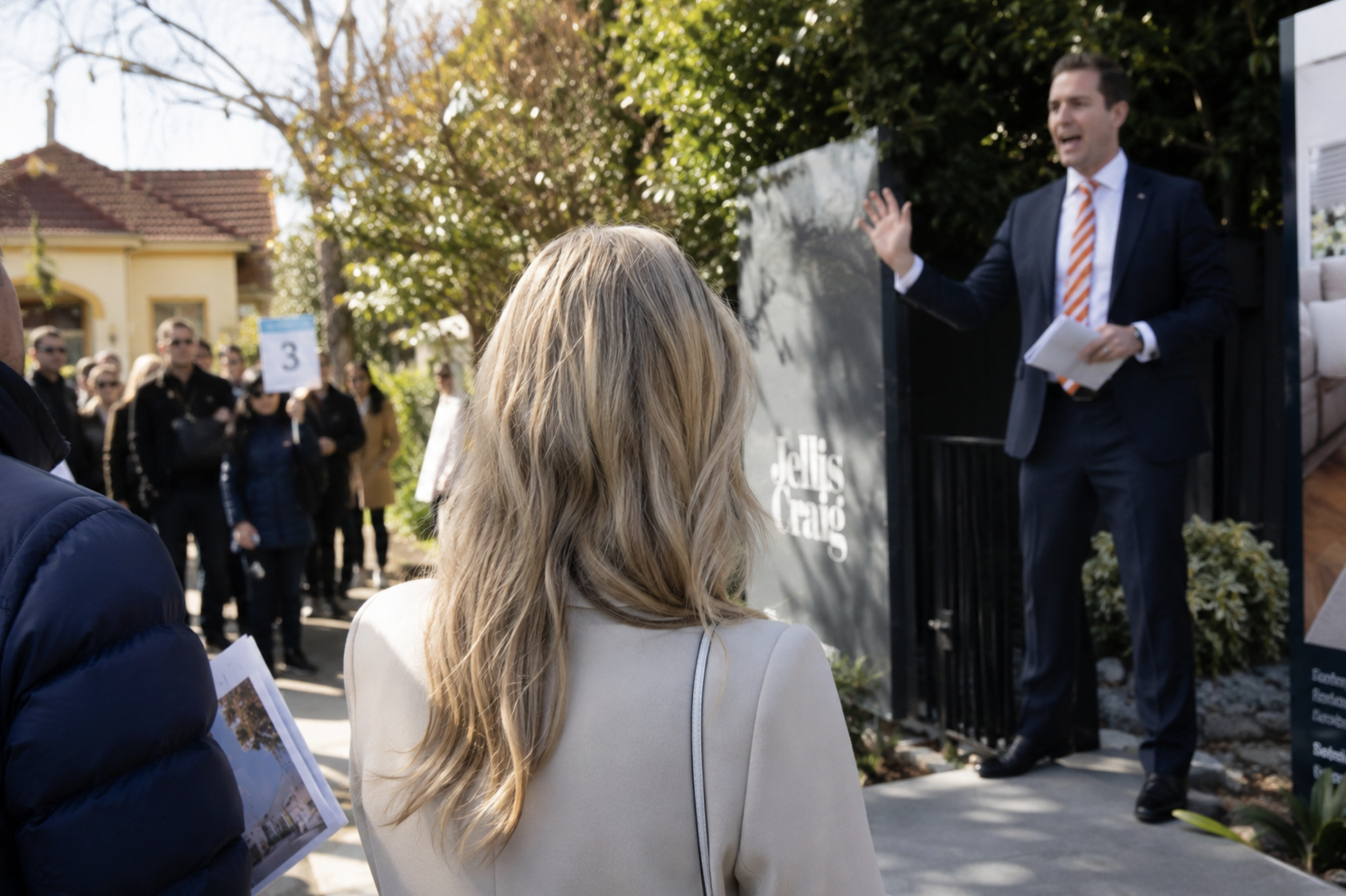
Property investing in Australia is entering a new phase
For years, Australian property investors could often rely on a simple formula: buy well, hold long-term, increase rent over time, and let capital growth do the heavy lifting.
That formula is no longer as straightforward.
Across Australia, landlords are facing a more complicated investment environment. Interest rates remain a major pressure, insurance and maintenance costs have risen, tax settings are changing, and rental laws are becoming stricter. In Victoria, the pressure is even sharper, with staged rental reforms and minimum standards placing more responsibility on rental providers.
This does not mean property investing is dead.
But it does mean investors need to be more careful.
The smartest landlords are no longer asking only, “What is the rent?” They are asking:
What compliance upgrades are required?
What will this property cost to keep rental-ready?
Is the yield real after repairs, safety checks, land tax and insurance?
Will future minimum standards affect the property?
Am I buying an investment asset or a hidden liability?
In 2026 and beyond, the winners will not just be the investors who buy property. They will be the investors who understand the true cost of holding it.
Why landlords are under more pressure
Australian landlords are being squeezed from several directions at once.
1. Higher holding costs
Many investors are still dealing with higher mortgage repayments compared with the ultra-low-rate years. On top of that, property expenses such as insurance, repairs, maintenance, compliance checks, council rates and property management fees have increased.
For landlords with older properties, the problem is even bigger. A house may look rentable on the surface but still require upgrades to heating, cooling, insulation, safety, ventilation, waterproofing, electrical systems or general condition before it is truly rental-ready.
That can turn a “good investment” into a costly surprise.
2. Tax and policy uncertainty
Recent debate around negative gearing and capital gains tax has made investors more cautious. Some landlords are reassessing whether the risk and holding costs are still worth it, especially in states where land tax and compliance obligations are already high.
Policy changes do not affect every investor in the same way, but uncertainty itself changes behaviour. Some investors delay buying. Some sell. Others become more selective.
That means property investors need to run the numbers more carefully before committing.
3. More rental regulation
Rental providers are facing clearer and stricter obligations around the condition of rental properties.
In Victoria, rental properties must meet minimum standards, and further changes are being introduced over time. These changes are designed to improve safety, comfort and energy efficiency for renters, but they also create more planning and cost pressure for landlords.
The important point is this:
A property that was acceptable as a rental five or ten years ago may not be acceptable under current or upcoming expectations.
That is where investors can get caught.
The hidden risk: compliance-adjusted yield
Most investors understand gross yield.
For example, if a property rents for $600 per week and is worth $750,000, the gross yield is simple to calculate.
But gross yield can be misleading.
A property might appear to have a strong rental return, but that return can quickly disappear once you factor in:
electrical safety checks
gas safety checks
smoke alarm obligations
urgent repairs
heating and cooling requirements
insulation upgrades
draughtproofing
hot water system replacement
showerhead requirements
water efficiency
insurance increases
land tax
property management fees
vacancy
maintenance
tenant requests
compliance documentation
This is why landlords need to think in terms of compliance-adjusted yield.
That means asking:
“After required upgrades, safety checks, repairs and ongoing compliance costs, what is this property actually returning?”
That is the number that matters.
Why older rental properties need extra attention
Older properties can still make excellent investments. But they can also carry hidden compliance and upgrade risks.
Common issues include:
no fixed heating or inefficient heating
poor insulation
draughty windows and doors
old switchboards
ageing gas appliances
poor ventilation
unsafe stairs, decks or handrails
water damage
mould risk
non-compliant locks or windows
insufficient bathroom or kitchen standards
old hot water systems
poor energy efficiency
The danger is that many of these issues are not obvious during a quick inspection.
A buyer may focus on location, land size, rent estimate and cosmetic appeal, while missing the real question:
“What will I need to spend before this property is legally and practically ready to rent?”
That question matters before purchase, not after settlement.
What landlords should check before buying an investment property
Before buying a rental property, investors should review more than the contract and building inspection.
A smart pre-purchase rental readiness review should consider:
Heating and cooling
Does the property have adequate fixed heating? Will cooling requirements apply now or in future? Is the system efficient, functional and suitable for the property?
Electrical safety
Is the switchboard modern? Are there obvious safety concerns? Has the property been maintained properly? Are safety checks likely to reveal issues?
Gas appliances
Are there gas heaters, cooktops or hot water systems? Are they old? Will they need servicing, replacement or safety checks?
Insulation and draughtproofing
Is the ceiling insulated? Are doors, windows and vents creating obvious draught issues? Could future standards trigger upgrade costs?
Bathroom and kitchen condition
Are the facilities functional, safe and adequate? Are there signs of leaks, poor ventilation, mould, damaged surfaces or ageing fixtures?
Locks, windows and security
Are external doors and windows secure and functional? Do they meet reasonable safety expectations for a rental property?
Mould, ventilation and water damage
Mould is a major issue in rental properties. Investors should look for poor airflow, leaking roofs, damp subfloors, failed waterproofing and condensation risks.
Documentation
Can the landlord prove the property is compliant? Are there records, certificates, invoices and reports available?
This is becoming more important. In the future, it will not be enough to assume a property is compliant. Landlords will need to be able to show it.
Why rental compliance matters before settlement
Many investors only think about rental compliance after they buy.
That is backwards.
The best time to understand rental readiness is before settlement, while you still have options.
Before settlement, you may be able to:
negotiate on price
request repairs
adjust your budget
delay leasing until works are complete
walk away if the risk is too high
plan upgrades properly
avoid urgent tenant disputes later
After settlement, the leverage is gone.
If the property needs $5,000, $10,000 or $20,000 of upgrades, that cost belongs to you.
This is why a rental compliance review can be valuable before buying an investment property, especially in Victoria.
Should landlords sell or hold?
There is no one-size-fits-all answer.
Some landlords should absolutely sell. If the property is low-yielding, highly leveraged, old, non-compliant and expensive to maintain, holding it may no longer make sense.
But other landlords should hold. A well-located property with strong tenant demand, manageable debt, good condition and clear compliance planning can still be a strong long-term asset.
The wrong question is:
“Is property still a good investment?”
The better question is:
“Is this specific property still a good investment after tax, debt, maintenance, insurance and compliance costs?”
That is the level of analysis landlords need now.
What smart landlords should do in 2026
Landlords should take a more proactive approach.
1. Create a property compliance file
Keep all reports, invoices, certificates, safety checks, repair records and upgrade documentation in one place.
2. Review upcoming rental law changes
Understand which changes may apply to your property and when. Do not wait until a tenant complaint, lease renewal or advertising deadline exposes the issue.
3. Budget for upgrades
Assume older properties will need money spent. Build this into your investment calculations.
4. Check insurance
Make sure your landlord insurance, building insurance and public liability settings still make sense. Premiums and cover terms can change, and cheap insurance may not be enough if a serious claim occurs.
5. Review the true net return
Do not rely on gross rent. Calculate the real return after debt, tax, fees, insurance, repairs, vacancy and compliance costs.
6. Get independent advice before buying
A selling agent wants the property sold. A property manager may not inspect deeply enough before purchase. A building inspector may not focus specifically on rental compliance obligations.
Investors need a clearer view before they commit.
Final thought: the property market is not dead, but lazy investing is
Australian property investment is not over.
But the easy-money version of property investing is under pressure.
Landlords now need to be more informed, more organised and more realistic about the true cost of owning a rental property.
The investors who survive and benefit over the next decade will be the ones who stop guessing.
They will check the property properly, understand compliance obligations, budget for upgrades, keep records and make decisions based on net return — not hope.
Before buying or holding an investment property, ask one simple question:
“If I had to make this property fully rental-ready today, what would it really cost me?”
That answer may change the entire investment decision.
Don’t Buy Blind. Know the Real Rental Costs Before Settlement.
A property can look like a great investment on paper — until heating, cooling, safety checks, insulation, repairs and compliance upgrades start eating into your return.
Safehaus gives Victorian property buyers and landlords a clear, independent view of what may need attention before a property is leased.
Know the risks. Know the likely costs. Make the decision with your eyes open.