
Victorian Tenants Now Have More Power to Object to Rent Increases — Here’s What Landlords Should Do
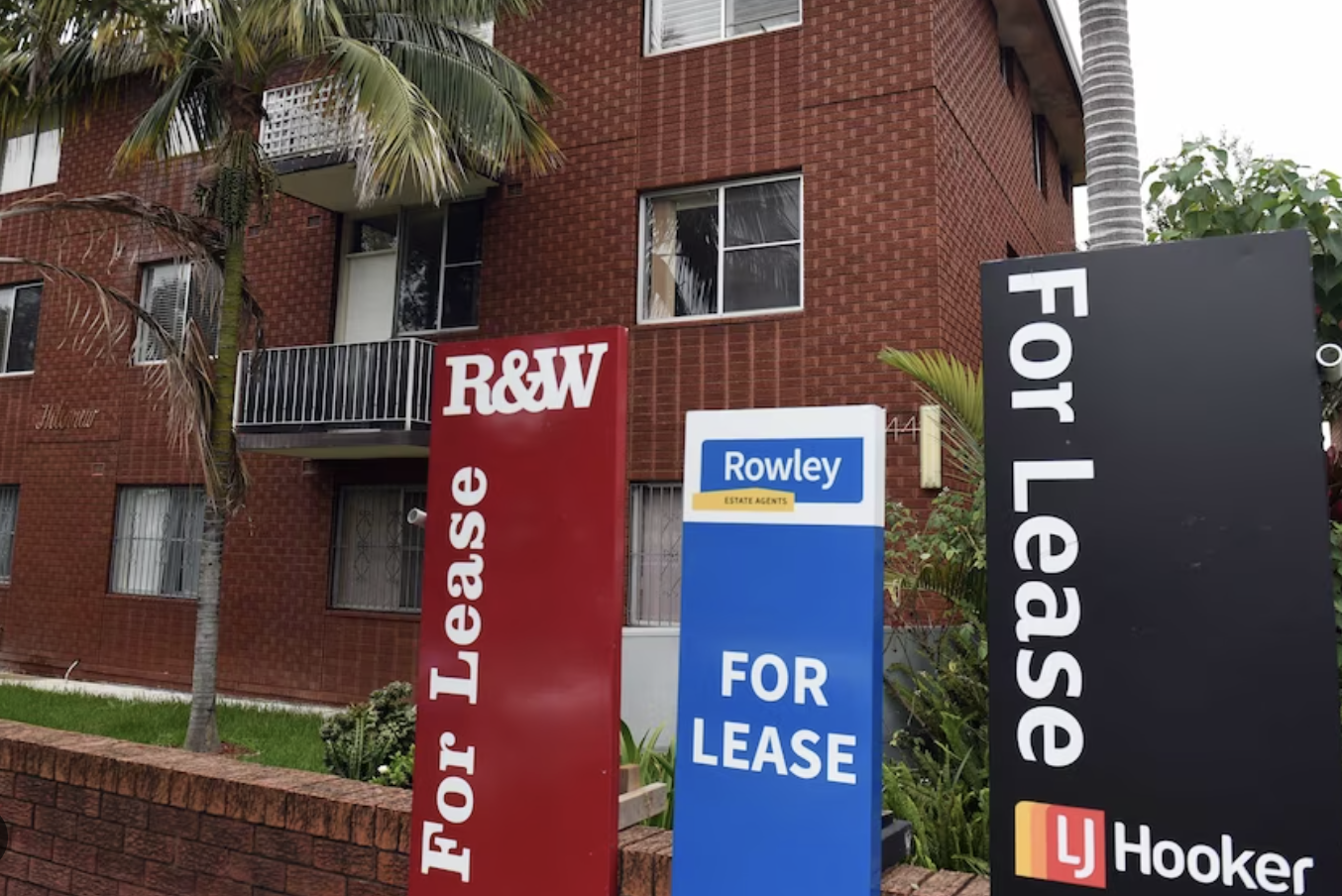
Victorian landlords need to be more careful with rent increases. Tenants already had the ability to challenge a rent increase if they believed it was excessive, but from 31 March 2026, the rules have become more tenant-friendly, with broader factors able to be considered when assessing whether a rent increase is reasonable.
That does not mean landlords cannot increase rent. But it does mean rent increases need to be better supported. The days of simply saying “the market has gone up” are becoming riskier. Landlords now need to think about whether the proposed rent can actually be justified based on the property, the market, and the condition of the home.
What can tenants do?
If a tenant believes a rent increase is excessive, they can request a rent assessment through Consumer Affairs Victoria. If the issue is not resolved, the matter can potentially go further to VCAT, where the rent increase may be reviewed.
When assessing whether a rent increase is excessive, the focus is not just on what the landlord wants to charge. Other factors may be considered, including the current rent, the proposed new rent, comparable rental properties, CPI and inflation, the condition of the property, any improvements made by the landlord, and the quality of facilities, fittings and services provided.
This is a major point landlords need to understand. A property that is well-maintained, upgraded and compliant is in a stronger position than one with ageing systems, poor comfort, or obvious maintenance issues.
The risk for landlords
Many landlords still approach rent increases too casually. They look online, find a few similar properties advertised at higher rent, and assume they can match them. But that comparison may not be enough.
A renovated home with modern heating, cooling, better insulation and updated fittings is not the same as an older rental with draughty windows, poor insulation, outdated appliances or unresolved repairs. If a tenant objects, the condition of the property can become part of the discussion.
That is where landlords can get caught. If the rent increase is aggressive, but the property has obvious issues, the increase may be harder to defend.
Property condition now matters more
This is the part many landlords underestimate. Rent is not just about location and bedroom count. It is also about the quality of the home being provided.
A tenant may question a rent increase if the property has old heating, no effective cooling, poor insulation, draughty doors or windows, ageing hot water, unresolved maintenance, mould or ventilation concerns, outdated fittings, poor energy efficiency, or compliance issues.
These things matter because they affect comfort, safety and running costs. A landlord asking for more rent should be able to show the property is being properly maintained and, where needed, improved.
What landlords should do before increasing rent
Before issuing a rent increase, landlords should take a more evidence-based approach. That means checking comparable rentals properly, reviewing the actual condition of the property, fixing obvious maintenance issues, keeping records of repairs and upgrades, taking photos of improvements, understanding current minimum rental standards, and preparing for upcoming 2027 and 2030 rental energy-efficiency changes.
This does not mean every rental property needs to be perfect. But it does mean landlords should not be blind. If there are problems, it is better to know before issuing the rent increase — not after the tenant objects.
Why a rental readiness check helps
A proper rental readiness assessment gives landlords a clearer picture of where their property stands. It can identify issues that may weaken a rent increase, such as heating, cooling, insulation, draught-proofing, hot water, safety checks, or future compliance risks.
It can also help landlords prioritise upgrades and keep evidence of the property’s condition. That matters because if a tenant questions the rent increase, the landlord is not relying on guesswork. They have a clearer record of what has been checked, what has been fixed, and what still needs planning.
Final takeaway
Victorian tenants now have more power to question rent increases. Landlords can still increase rent, but they need to be smarter about how they do it.
A strong rent increase should be based on evidence, not assumption. Before increasing rent, landlords should ask whether the proposed rent is supported by comparable properties, whether the property is in a condition that justifies the increase, whether obvious maintenance issues have been addressed, whether compliance or energy-efficiency risks are coming up, and whether they can show evidence if the tenant pushes back.
That is the new reality for Victorian landlords. Rent increases are still possible, but unsupported rent increases are becoming a bigger risk.
Plan your 2027 compliance now
Every gas hot water unit you replace this year, every heater you scope into a renovation, every property you list in 2026 — these decisions either work with the upcoming standards or against them. If you'd like a second opinion on what to budget for, what to prioritise, and how to capture the rebates available, let's chat.